Insights
Company news and practical notes on specifying pressure vessels, tanks and steel structures.
Hydrostatic testing of pressure vessels: what buyers should expect
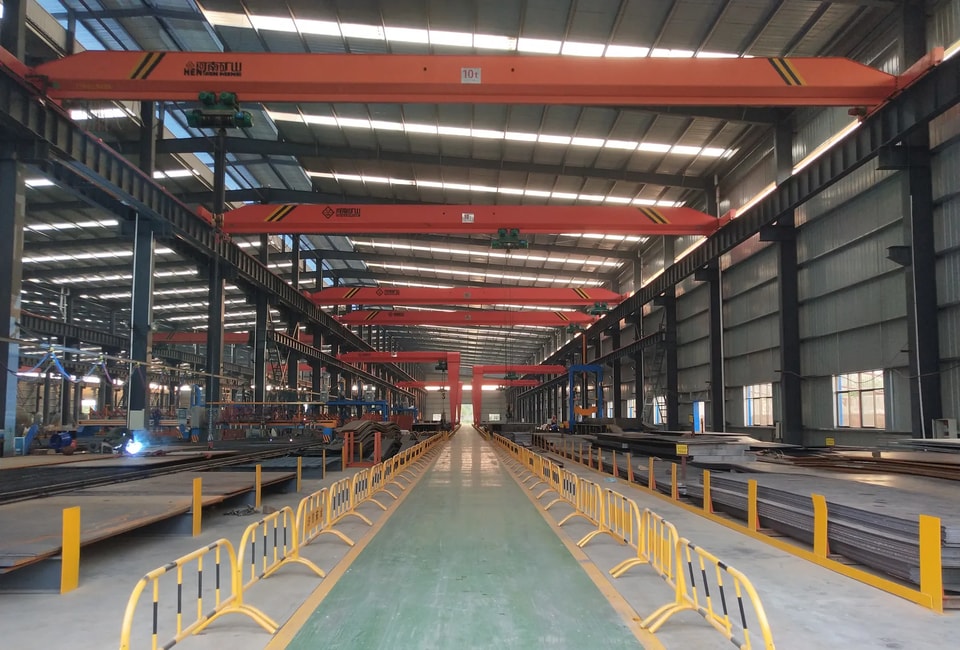
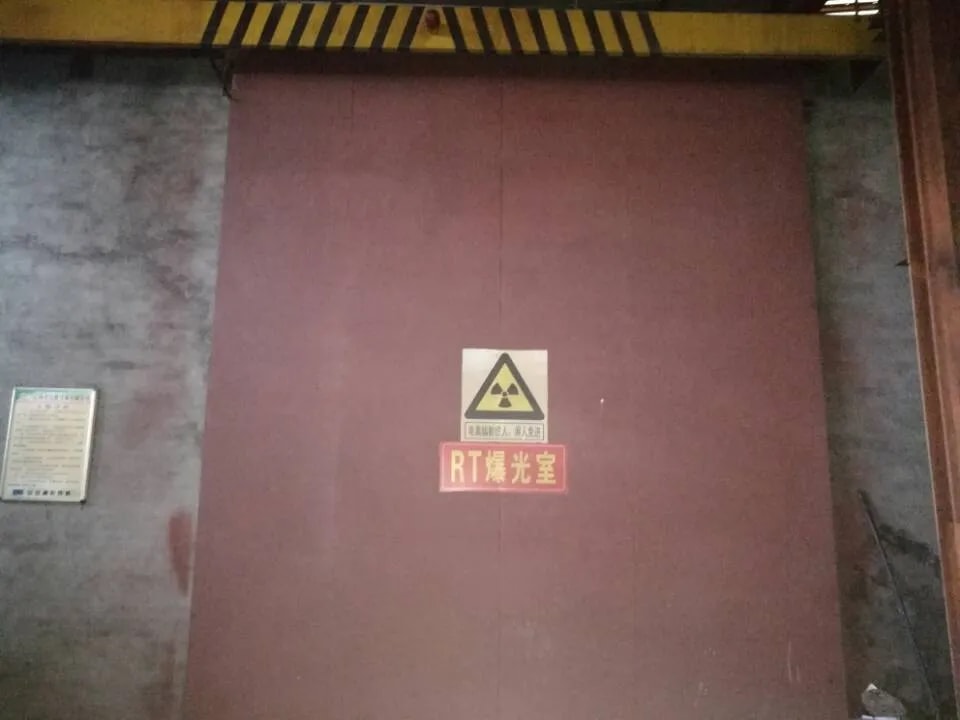
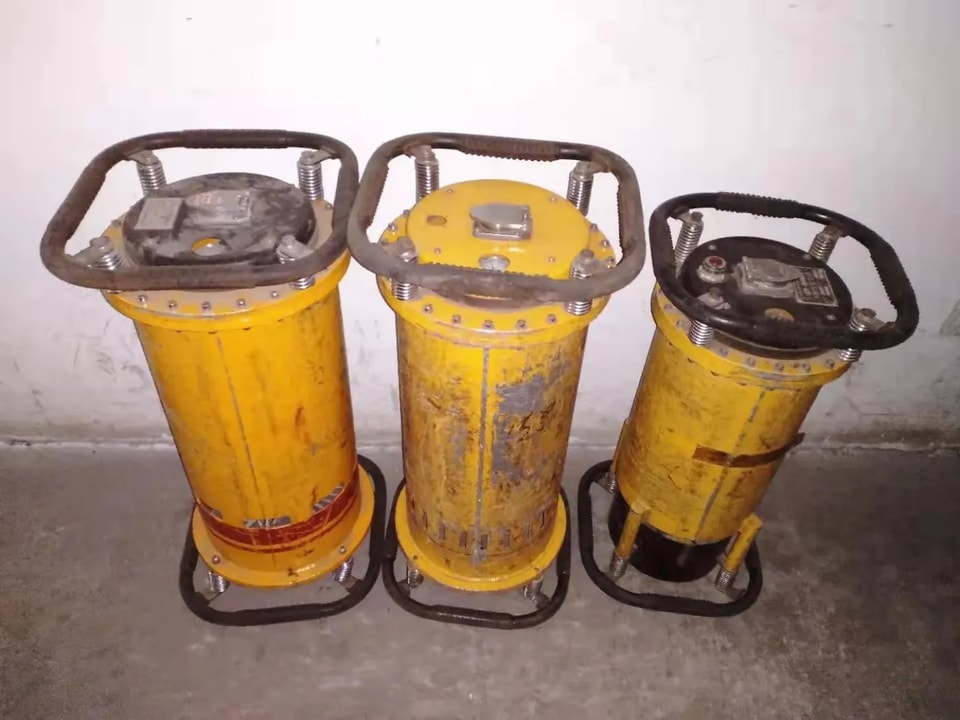
In a hydrostatic test the finished vessel is filled with water, pressurized above its design pressure and held there while inspectors check it for leaks and deformation. At Wanlong the test pressure is 1.25 × design pressure and the hold time is 30 minutes. Water is used because it barely compresses: if a weld fails, the pressure drops at once without releasing much stored energy. Where the test sits in the build sequence The hydrostatic test comes near the end. In our sequence it follows welding, NDT, heat treatment where required, machining and final assembly, and it comes before surface treatment and painting. Testing before painting leaves the welds bare, so any seepage is visible. What happens during the test The vessel is filled with water and vented so that no air is trapped at high points. Pressure is raised in steps to the test pressure. The test pressure is held for the specified time: 30 minutes in our procedure. Inspectors check welds, nozzles, flanged joints and the shell for leaks and visible deformation. Pressure is released slowly, and the vessel is drained and dried. What buyers should agree in advance Test pressure and hold time: confirm them in the inspection and test plan against your design code. Witness point: if your inspector or a third party wants to witness the test, mark it as a hold point and agree the notice period. Water quality: stainless steel vessels are normally tested with low-chloride water. State any limit your specification sets. Test position: a tall vessel tested lying down carries the weight of the water differently from service. The design should cover this. Gauges: ask for calibrated gauges and their calibration records. What the report should show The hydrostatic test report records the vessel number, test pressure, hold time, test medium, gauge details, result and signatures. It goes into the data book with the NDT reports and material records. When water cannot be used Some vessels cannot be filled with water, for example where the supports or the process cannot tolerate it. The design may then call for a pneumatic or combined test. This needs more safety precautions and must be specified by the designer. How Wanlong handles it Every pressure vessel we build is hydrostatically tested at 1.25 × design pressure with a 30-minute hold, before blasting and painting. Welds are inspected first by RT, UT, MT and PT, with radiography in our own shielded RT room. The test report is part of the data book shipped with each vessel, alongside the certificate of conformity, quality certificate, MTRs, WPS/PQR records and NDT reports. Vessels are built under licence TS2236612-2027 for Class D fixed pressure vessels.
How to request an accurate quotation for a custom pressure vessel or tank
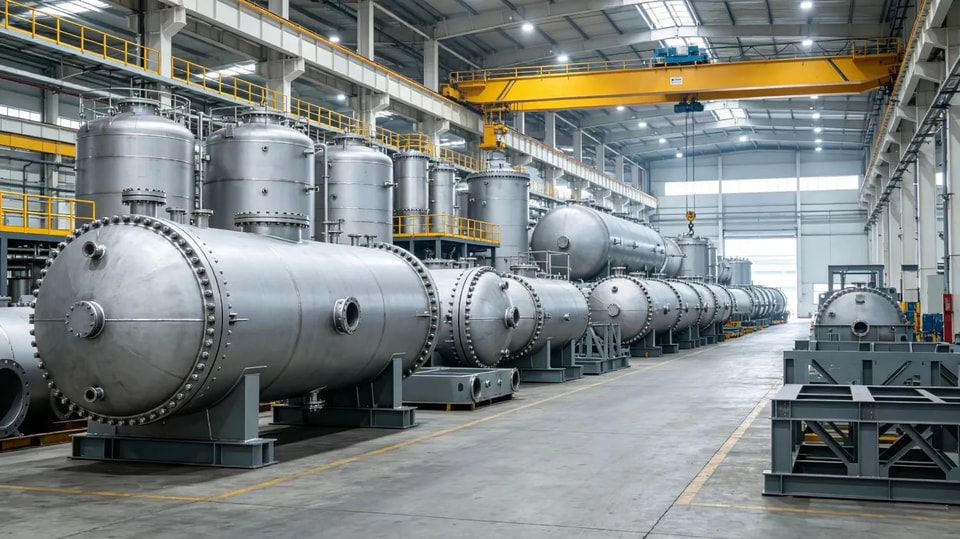
To get an accurate quotation, send ten items: product type, quantity, medium, design pressure, design temperature, material, design code, drawings or data sheet, destination port and required delivery date. With these, a fabricator can price the actual vessel or tank instead of guessing, and you can compare quotations from different suppliers like for like. What to send, and why each item matters Product type: pressure vessel, storage tank, heat exchanger, SF tank, steel structure or skid. It decides which licence and code apply. Quantity: one unit or a series. Repeat units share drawings, procedures and set-up. Medium: what the equipment holds, including corrosive, toxic or flammable components. It drives material choice and inspection extent. Design pressure: including vacuum if it applies. Pressure sets plate thickness and test pressure. Design temperature: both maximum and minimum. Low temperatures need low-temperature steels. Material: for example Q345R, 16MnDR, 304 or 316L, or ask the fabricator to propose one. Design code: the code the equipment must be built to, plus any project specifications. Drawings or data sheet: general arrangement, nozzle schedule, internals and supports. Destination port: it sets packing, marking and freight. Delivery date: the date you need the equipment at the port or on site. Details that often change the price Extent of NDT, and whether full radiography is required Post-weld heat treatment Third-party inspection and witness points Coating system, insulation or lining Accessories such as ladders, platforms, instruments and agitators Documents, translations and data book format If two quotations differ widely, check these items first. One supplier may have priced spot radiography and another full radiography, or one may have left out the coating. If you have no drawings yet Send a process data sheet with the duty, volume, pressure and temperature. For pressure vessels, drawings can then be prepared by a licensed design institute before fabrication. Until the design is fixed, treat the quotation as a budget price. How Wanlong handles it We fabricate pressure vessels to your design, or to drawings prepared by a licensed design institute. Our licence TS2236612-2027 covers Class D fixed pressure vessels, medium and low pressure, so the design pressure must be below 10 MPa. Storage tanks, SF double-wall tanks, steel structures and skids are quoted against your drawings or our standard ranges, such as SF-10 to SF-50. The enquiry form on this site asks for each of the ten items above. If something is missing, our engineers ask before they price.
What goes into a pressure vessel data book
A pressure vessel data book is the file of records that shows the vessel was made from the specified materials, welded to qualified procedures, inspected, tested and built to the approved drawings. It normally holds the certificate of conformity, the quality certificate, mill test reports, welding procedure records, NDT reports, the pressure test report, any heat-treatment chart, as-built drawings and the packing list. The documents and what each one shows Certificate of conformity States that the vessel was manufactured and inspected to the design and the applicable code. It identifies the vessel by its product number and is signed by the manufacturer. Quality certificate Summarises the key data: design conditions, materials of the main pressure parts, NDT results, heat treatment and pressure test. An inspector usually reads this first. Mill test reports Material test reports from the mill show the chemical composition and mechanical properties of each heat of plate, pipe and forging. They are matched to the parts by heat number, which is how material traceability is checked from incoming steel to the finished vessel. WPS and PQR records The welding procedure specification (WPS) sets out how each joint is welded. The procedure qualification record (PQR) shows that the procedure was tested and passed. Together they show that each weld was made by a qualified method. NDT reports Results of radiographic (RT), ultrasonic (UT), magnetic particle (MT) and penetrant (PT) testing, with the extent and acceptance level required by the design. Hydrostatic test report Records the test pressure, hold time, test medium and result, with the signatures of the people who carried out and inspected the test. Heat-treatment chart Where the design calls for post-weld heat treatment, the time-temperature chart shows that the specified cycle was followed. As-built drawings and packing list The as-built drawings show the vessel as delivered, including any approved changes. The packing list ties the shipment to the vessel, its loose parts and its documents. How to specify it List the required documents in the purchase order, not after delivery. Agree the inspection and test plan, with any witness points, before fabrication starts. State the language and format you need, and whether you want copies before shipment. Ask for an index so your inspector can check that nothing is missing. How Wanlong handles it Each pressure vessel we deliver comes with these documents: certificate of conformity, quality certificate, as-built drawings, MTRs, WPS/PQR welding records, NDT reports, hydrostatic test report, heat-treatment chart where applicable, and packing list. Incoming plate is checked against its mill test report before cutting. Radiography is done in our own RT room. Hydrostatic tests run at 1.25 × design pressure with a 30-minute hold. Vessels are built under licence TS2236612-2027 for Class D fixed pressure vessels.
Horizontal or vertical storage tank: how to choose for your site
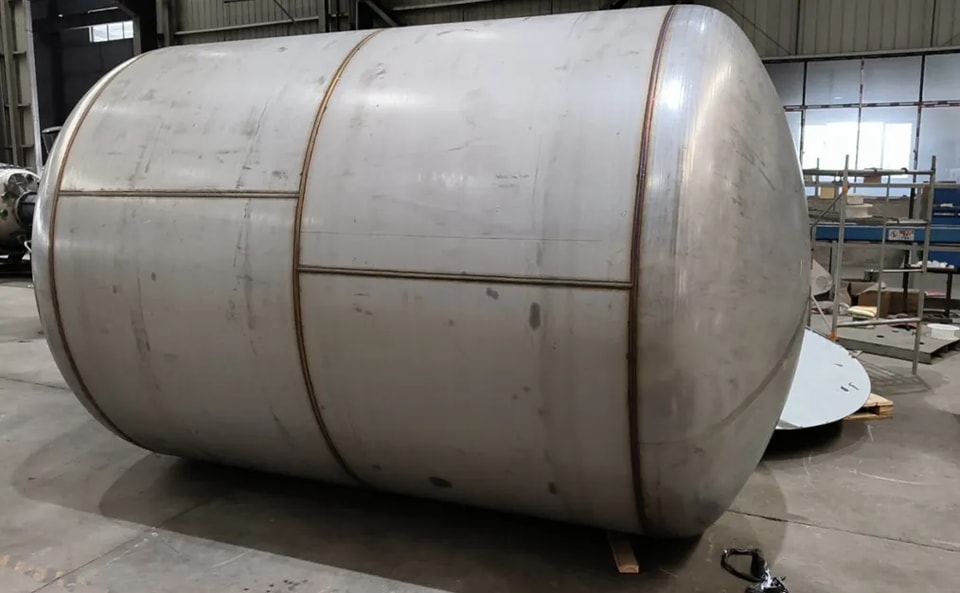
Choose a vertical tank when you need a large volume on a small footprint and the tank can stand on a prepared foundation. Choose a horizontal tank when the volume is moderate, the tank should be built and tested in the workshop and shipped whole, height is limited, or the tank must be buried. Most decisions come down to volume, ground space, transport and how the tank will be operated. Volume and footprint A vertical tank grows upward, so it holds more per square metre of ground. Large tanks are almost always vertical, and beyond shipping size they are built on site. A horizontal tank spreads its volume along its length. It needs more ground for the same volume, but it stays low. Transport and build method Road transport limits the diameter and length of a shop-built tank. Horizontal tanks are usually sized to ship whole on their saddles, so welding, inspection and testing happen in the workshop and site work is short. Vertical tanks above shipping size are prefabricated as plates and erected on site, which needs a crew, cranes and a longer site programme. Foundations A vertical tank puts its full weight on a circular footprint and needs a designed ring wall or slab. A horizontal tank sits on two saddles, each with its own footing. Soil conditions often decide the foundation cost, so check them before you choose. Operation Draining: a vertical tank with a sloped or conical bottom drains to one point. A horizontal tank drains through a low nozzle and may be set with a slight slope. Level measurement: in a vertical tank the volume changes evenly with level. In a horizontal tank it does not, so the gauge needs a calibration table. Mixing: agitators and mixers are easier to fit in a vertical tank. Access: horizontal tanks are low, so manways, valves and instruments can be reached without tall platforms. Pressure and burial For pressure storage of moderate volumes, horizontal vessels with two heads are common because they are compact and tested in the workshop. For buried service, such as underground fuel tanks at stations, horizontal tanks are the norm. A quick checklist Required working volume and number of tanks Available ground area and height limits Transport route and size limits to site Medium, design pressure and design temperature Draining, mixing and cleaning needs Aboveground or buried installation How Wanlong handles it We build both. Horizontal tanks are completed in our workshop in Jinxian and shipped whole. Large vertical tanks are prefabricated there and erected on site; our references include a 10,000 m³ wax-oil tank. Shells are rolled on 3- and 4-roll benders from plate up to 70 mm, with wall thicknesses of 6 to 70 mm. Tanks built as pressure vessels fall under our Class D licence for −0.1 to below 10 MPa and are hydrostatically tested at 1.25 × design pressure with a 30-minute hold. Send the medium, volume and site limits, and we propose the arrangement.
What is an SF double-wall tank, and how does interstitial leak monitoring work?
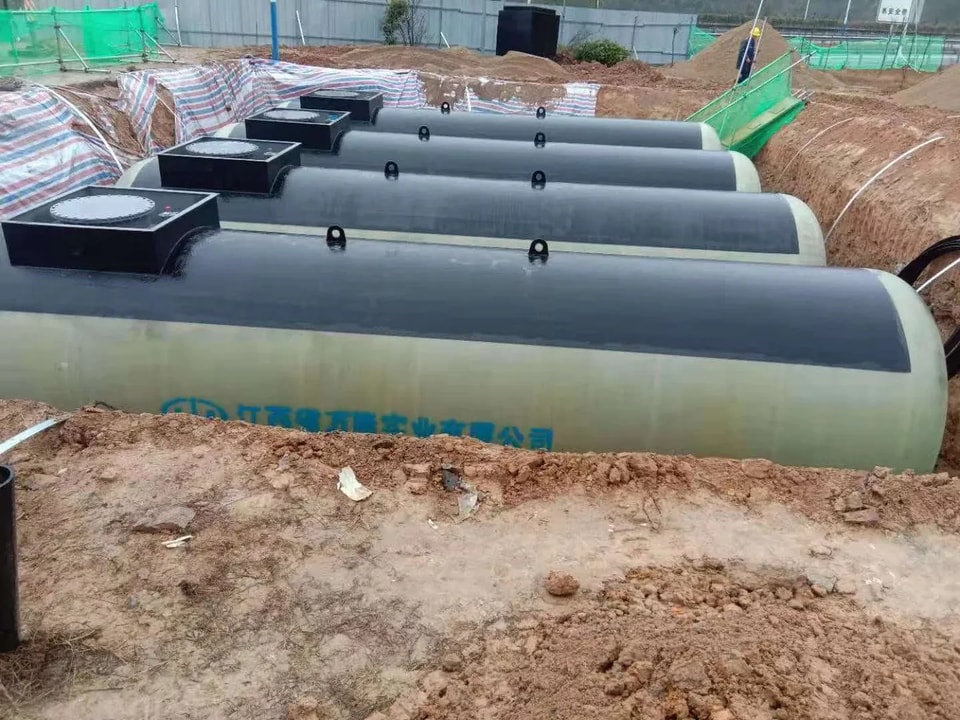
An SF double-wall tank is an underground fuel tank built as a steel tank inside a fibreglass-reinforced plastic (FRP) tank. S stands for the steel inner tank and F for the FRP outer tank. The narrow gap between the two walls, the interstitial space, is monitored. If either wall is breached, the change shows up in that space and raises an alarm, while the other wall still holds the fuel. Two walls, two jobs The steel inner tank holds the fuel and gives the tank its strength. The FRP outer tank keeps soil and groundwater away from the steel, which protects it from external corrosion, and it is the second barrier if the inner tank leaks. That is why external corrosion protection is central to how these tanks are assessed. UL 1746, for example, is the standard for external corrosion protection systems for steel underground storage tanks. How interstitial monitoring works In normal service the interstitial space is closed and dry. A leak in the inner wall lets fuel into it. A leak in the outer wall lets groundwater in. A monitoring system watches for either change. Common approaches are: Liquid sensors: a sensor at the low point of the interstitial space detects fuel or water. Pressure or vacuum monitoring: the space is held at a set pressure or vacuum, and a breach in either wall makes the reading drift. Liquid-filled monitoring: the space is filled with a monitoring liquid, and a change in the level of its reservoir shows a breach. The station designer and the local authority choose the method. The tank must then be built with the connections that method needs. Why fuel stations use them A single-wall buried tank gives no direct warning of a leak. The first sign may be a stock loss or contaminated soil. A double-wall tank detects a breach in either wall while the fuel is still contained, and the check runs continuously without excavation. What to check when you specify one Nominal capacity, diameter and length against the pit and site layout The standard and certificates your authority requires The leak-monitoring method and its connections Manways, nozzles and, for several fuel grades, the number of compartments Groundwater level and burial depth, which affect anchoring and backfill How Wanlong builds SF tanks We build five standard sizes, SF-10 to SF-50, from 10 to 50 m³, with inside diameters of 2,400 to 2,800 mm. The inner tank is Q235B steel, 6 mm thick, welded by submerged-arc welding to qualified WPS/PQR. The outer tank is FRP, 6 mm thick, built up on our FRP spray lines. Tanks are manufactured to SH/T 3178. Our UL 1746 certificate is 20161115-MH61687, for jacketed underground tanks for flammable liquids, issued 2016. We supply SF tanks under framework agreements to a national fuel retailer's provincial station networks.
Send us the data sheet.
Tell us the medium, design pressure, temperature and quantity. An engineer replies with questions or a quotation.
- Sales contact
- Mr. Yu Jiakang
- WhatsApp / WeChat
- +86 183 1791 9067
- Factory
- No. 2666 Jinxian Avenue, High-tech Industrial Park, Jinxian Economic Development Zone, Nanchang, Jiangxi, China 331700

Pressure vessels, storage tanks, SF double-wall tanks, steel structures and skid-mounted units, fabricated in Jinxian, Jiangxi since 2003.
Jiangxi Wanlong Industrial Co., Ltd.
No. 2666 Jinxian Avenue, High-tech Industrial Park, Jinxian Economic Development Zone, Nanchang, Jiangxi, China 331700
Contact
- Mr. Yu Jiakang
- WhatsApp +86 183 1791 9067
- jiakang@wanlongindustrial.com


